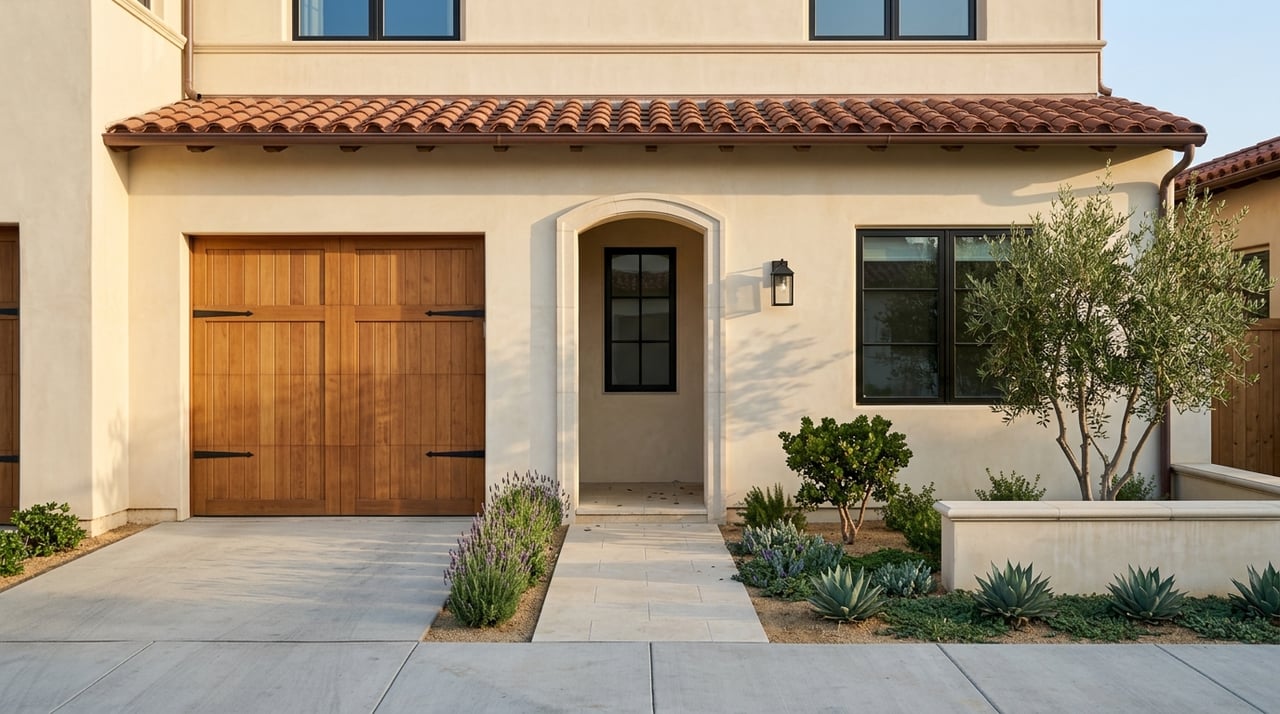
If you want to buy in South Orange County but a detached home feels out of reach, a condo or townhome in Rancho Santa Margarita may be the smart middle ground. You get access to a well-known planned community, a lower entry price than many single-family options, and amenities that can add real day-to-day value. The key is knowing how to compare the price, the HOA structure, and the long-term ownership costs before you write an offer. Let’s dive in.
Why Rancho Santa Margarita Stands Out
Rancho Santa Margarita is a relatively small, high-owner-occupancy city in South Orange County. According to the U.S. Census QuickFacts for Rancho Santa Margarita, the estimated population was 46,353 as of July 1, 2024, the owner-occupied housing rate was 73.4%, and the median owner-occupied home value was $907,900.
That local context matters if you are shopping for an attached home. In a city where ownership is common and home values are already elevated, condos and townhomes can offer a more accessible path into the market while still keeping you in a premium South Orange County location.
Condo vs. Townhome Pricing
One of the biggest reasons buyers consider attached homes in Rancho Santa Margarita is price. In Redfin’s March 2026 Rancho Santa Margarita city guide, the median sale price was $1,011,500 overall, with single-family homes at $1,317,500, townhomes at $950,000, and condo/co-op homes at $674,750.
That spread is meaningful. If you are comparing lifestyle, budget, and monthly payment, attached homes can create a lower entry point than detached homes in the same city, while still giving you access to the same broader community setting.
Homes were also selling in about 34 days in that same city guide. That tells you this is not a market where you want to start your homework after you find the right property.
What You Are Really Buying
Rancho Santa Margarita is a planned-community city, and that shapes the ownership experience. The City of Rancho Santa Margarita recreation page says that, except for O’Neill Regional Park and County trails, parks in the city are privately owned, operated, and maintained by homeowner associations, even though most remain publicly accessible.
The city also notes that most neighborhoods are within walking distance of an existing park. For many buyers, that helps explain why HOA membership is such a central part of living in Rancho Santa Margarita.
SAMLARC, the master HOA for 13,645 homes, says its amenities include Lago Santa Margarita, the Beach Club and Lagoon, four Jr. Olympic-sized pools, 13 parks, and an urban trail system. The city adds that the broader park system includes 22 private developed parks, and that the Lago Santa Margarita Beach Club area includes a 12.6-acre manmade lake surrounded by 16.8 acres of parks, trails, and a lakeside beach. The loop around the lake is 1.1 miles, according to the city recreation overview.
For you as a buyer, this means part of your monthly cost goes toward more than your unit alone. You are also helping fund shared recreation areas, landscaping, and common-area maintenance that are part of the Rancho Santa Margarita ownership model.
Know the Legal Ownership Type
A condo or townhome is not always as simple as it looks from the street. The California Department of Real Estate explains that buying a lot, home, townhouse, or condominium in a common interest development automatically makes you a member of the association.
The same guidance also explains that a condominium is a legal form of ownership, not a building type. In other words, two homes may look similar from the outside but come with very different ownership, maintenance, and insurance responsibilities.
This matters even more in communities where some homes may be site condominiums. In the DRE’s Residential Subdivisions Guide, site condominiums are described as detached homes where the owner may be responsible for the unit’s insurance and maintenance, while common assessments cover amenities outside the unit footprint.
That is why you should never rely on appearance alone. Before you buy, you want to confirm exactly what you own, what the HOA maintains, and what financial obligations stay with you.
HOA Documents Matter More Than the Listing Photos
If you are buying a condo or townhome in Rancho Santa Margarita, the document review is not just a formality. It is one of the most important parts of your due diligence.
Under California Civil Code 4525, sellers in a common interest development must provide governing documents, recent annual budget documents, current assessments and unpaid items, unresolved violation notices, rental or leasing restrictions if any, requested board minutes, and the most recent inspection report.
That package can tell you a lot about how the community operates. It can also help you spot possible issues before you close, such as usage restrictions, unresolved compliance matters, or rules that may affect your plans for the property.
Look Beyond a Low HOA Fee
A low monthly HOA fee can look great at first glance, but it does not always mean lower long-term cost. What matters is whether the association is properly funding reserves, maintaining common areas, and planning for future repairs.
California Civil Code 5300 requires the annual budget report to include reserve summaries, reserve funding plans, possible special assessments, outstanding loans, insurance summaries, and, for condominium projects, FHA and VA approval status. That gives you a clearer picture of whether the HOA is simply keeping dues low or actually staying financially healthy.
This is where a careful review can protect you. Thin reserves, deferred maintenance, or the possibility of a future special assessment can change the true cost of ownership in a hurry.
Insurance and Maintenance Questions
Insurance is another area where buyers need clarity early. Civil Code 5300 also notes that the HOA insurance summary is not a substitute for the actual policies, and owners may still be responsible for deductibles or losses not covered by the association policy.
That means you should ask simple, direct questions before moving forward:
- What parts of the property does the HOA insure?
- What parts are your responsibility?
- What deductible could affect you in a claim?
- Are there coverage gaps you would need to handle with your own policy?
These details may not be exciting, but they matter. They affect your monthly costs, your risk exposure, and how prepared you are if something unexpected happens.
Parking Can Be a Bigger Deal Than You Think
Parking rules can shape your daily life more than many buyers expect. In master-planned communities, it is important to know not just how many spaces come with the home, but also how guest parking, overnight parking, and vehicle restrictions work.
SAMLARC’s 2025 Policies & Guidelines show that unregistered and inoperable vehicles are prohibited, many commercial vehicles and RVs are restricted, and garages are intended for parking vehicles. The same guidelines note that violations can lead to towing at the owner’s expense.
Before you buy, make sure you understand:
- How many parking spaces are deeded, assigned, or reserved
- Whether guest parking is easy or limited
- What overnight parking rules apply
- Whether your vehicle type could trigger restrictions
- Whether your garage setup fits your actual needs
If you have multiple drivers, frequent visitors, or a larger vehicle, this part of the review becomes especially important.
EV Charging and Future Flexibility
If you drive an electric vehicle or expect to in the future, parking and charging should be part of your early screening. California Civil Code 4745 limits HOA rules that effectively prohibit or unreasonably restrict charging equipment in a unit or designated parking space.
That does not mean every installation is automatic or simple. It does mean you should review the community rules, your parking rights, and any practical installation requirements before assuming a charger will be easy to add.
Smart Questions to Ask Before You Buy
A condo or townhome purchase in Rancho Santa Margarita usually goes more smoothly when you treat it as both a home search and a document review. The right questions can save you money and help you avoid surprises later.
Here are a few of the most important ones to ask:
- What do the HOA dues cover?
- When was the latest budget report or reserve study issued?
- Is any special assessment being discussed?
- Are there rental caps or leasing restrictions?
- Are there unresolved violations or recent board decisions that could affect owners?
- Is the project FHA- or VA-approved if that matters for your financing?
- What maintenance responsibilities belong to the HOA versus the owner?
These questions are grounded in the disclosure requirements under Civil Code 4525 and Civil Code 5300. They are not just legal checkboxes. They are practical buying tools.
Is a Condo or Townhome Right for You?
For many buyers, the answer is yes. Rancho Santa Margarita’s attached-home market can offer a lower purchase price than detached homes, while still giving you access to a strong amenity package and a well-established planned-community environment.
The tradeoff is that the buying process is more document-heavy. HOA dues, reserve funding, insurance, parking rules, and ownership structure all deserve careful review before you commit.
If you want a clear, data-driven way to compare options in Rancho Santa Margarita, Alex Gagnon Homes can help you evaluate the numbers, the disclosures, and the long-term fit so you can buy with more confidence.
FAQs
What is the price difference between condos, townhomes, and single-family homes in Rancho Santa Margarita?
- In Redfin’s March 2026 city guide, the median sale price was $1,317,500 for single-family homes, $950,000 for townhomes, and $674,750 for condo/co-op homes in Rancho Santa Margarita.
What HOA documents should you review when buying a condo or townhome in Rancho Santa Margarita?
- Under California Civil Code 4525, buyers should review governing documents, budget documents, current assessments, unresolved violations, rental restrictions if any, requested board minutes, and the most recent inspection report.
Why do HOA reserves matter when buying a Rancho Santa Margarita condo or townhome?
- HOA reserves matter because low dues do not always reflect long-term financial health, and Civil Code 5300 requires disclosures about reserves, funding plans, possible special assessments, loans, and insurance summaries.
What parking rules should buyers check in Rancho Santa Margarita HOA communities?
- Buyers should confirm deeded or assigned spaces, guest and overnight parking rules, and any restrictions on vehicle types, since SAMLARC policies limit certain vehicles and can enforce violations through towing.
Can you install an EV charger in a Rancho Santa Margarita condo or townhome community?
- California Civil Code 4745 limits HOA rules that effectively prohibit or unreasonably restrict EV charging equipment in a unit or designated parking space, but buyers should still review the community’s specific installation requirements and parking setup.
What makes Rancho Santa Margarita appealing for attached-home buyers?
- Rancho Santa Margarita offers a planned-community setting with amenities tied to HOA ownership, including access to parks, trails, pools, and Lago Santa Margarita, while attached homes may offer a lower entry price than detached homes in the city.