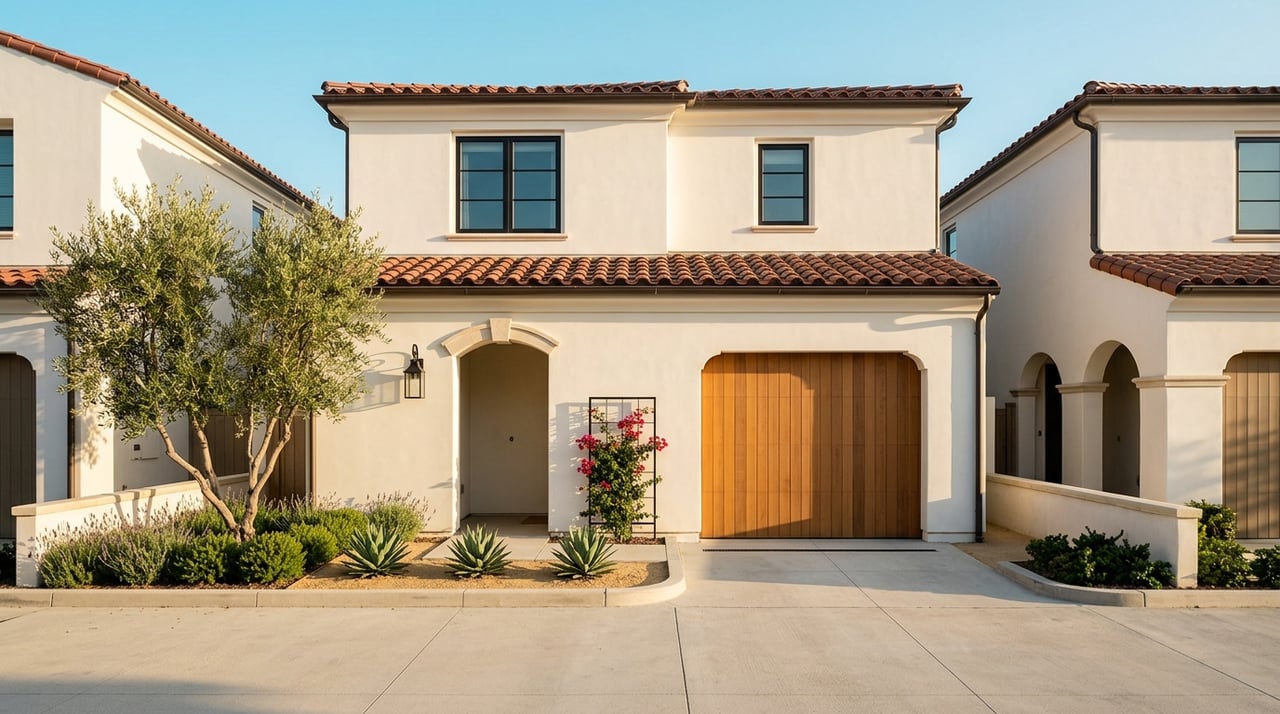
If you are deciding between a condo or townhome in Laguna Niguel, the biggest question is not always the floor plan. In many cases, the real difference comes down to ownership structure, HOA rules, monthly costs, and what kind of maintenance you want in your day-to-day life. If you want to make a smart move in an established South Orange County market, this guide will help you understand what to look for and what to verify before you buy. Let’s dive in.
Laguna Niguel attached-home market
Laguna Niguel is a planned community that covers 14.72 square miles and includes more than 120 HOAs. The city also notes that it is largely built out, with very little vacant residential land remaining. That means most condo and townhome options you will see are in established communities rather than brand-new neighborhoods.
That matters because your decision is often less about new construction features and more about the details of an existing HOA, the condition of common areas, and the long-term fit of the community. In Laguna Niguel, attached homes are often part of layered master-planned systems, which can affect dues, amenities, and maintenance responsibilities.
Condo vs. townhome meaning
In California, a condo is a legal form of ownership, while a townhome is an architectural style. That distinction is important because two homes that look very similar can be set up very differently on paper.
According to the California Department of Real Estate, the same physical layout may be organized as either a condominium project or a planned development. So if you are comparing options in Laguna Niguel, do not rely on appearance alone. You should confirm the legal structure by reviewing the deed, CC&Rs, and HOA disclosures.
What a condo usually means
In a condo project, you typically own your individual unit along with an undivided interest in the common area. Some spaces may be classified as exclusive-use common area, which can include things like patios, parking spaces, driveways, or shutters.
This setup can affect what you can change, what the HOA maintains, and what costs are shared across the community. If a patio or driveway matters to you, it is worth checking whether that area is fully owned by you or treated as exclusive-use common area.
What a townhome may mean
A townhome usually describes the layout or design of the home, often with two stories and shared walls. But legally, that townhome might be part of a condo project or a planned development.
In a planned development, the HOA often owns or maintains common areas and may manage features like private streets or recreation amenities. HOA membership transfers automatically with title, so when you buy, you are also taking on that community structure.
HOA details matter most
For many buyers, the practical question is simple: what does the HOA cover, and how healthy is the budget? That is often more important than whether the listing uses the word condo or townhome.
Regular HOA assessments help fund daily operations and long-term reserves. Special assessments, on the other hand, may be used for major repairs, replacements, new construction, or unexpected expenses. A lower monthly HOA payment can look appealing at first, but it may not mean lower total ownership costs if the reserves are underfunded.
Review these HOA documents
California law requires sellers to provide important HOA documents before transfer. These materials can help you understand both the rules and the financial condition of the association.
Before you write an offer, review:
- CC&Rs and bylaws
- Current assessment information
- Notices of unresolved violations
- Annual budget disclosures
- Reserve funding disclosures
- Board minutes
- Insurance information
- Rental rules
- Any pending special assessments
Annual budget disclosures must show whether projected reserve balances are expected to cover major components over the next 30 years. That makes the reserve information especially important if you are trying to avoid surprise costs after closing.
Laguna Niguel maintenance realities
Because Laguna Niguel has many HOA-governed communities, local responsibility lines can be different from what buyers expect. The city handles public streets and sidewalks, but HOAs or private-property owners handle debris on private property.
The city also states that storm drains on private streets are an HOA responsibility. In gated communities, streetlight outages are typically handled through the property manager rather than the city. These details may seem small, but they tell you a lot about how much the HOA actually manages behind the scenes.
What attached homes look like here
Laguna Niguel attached-home communities often offer a mix of practical layouts and shared amenities. Local examples show many 2- to 3-bedroom homes, often with two levels, attached garages, patios, and features like vaulted ceilings.
Community amenities in local examples include pools, spas, tennis courts, parks, picnic areas, gated entries, and dog walk areas. These examples also suggest that many attached-home communities in Laguna Niguel emphasize shared amenities and lower exterior upkeep more than large private yards.
Common features you may see
Based on the local community examples in the research, you may come across:
- 2 to 3 bedrooms
- Roughly 1,022 to 1,981 square feet
- Two-story layouts
- Attached 2-car garages in many communities
- Patios instead of large yards
- HOA-maintained landscaping and exterior areas in some projects
- Shared amenities like pools, spas, and courts
Because many of these communities were developed years ago, condition can vary from one property to the next. Updates inside the home may be easy to spot, but the HOA’s financial health and maintenance standards are just as important.
One HOA or several?
Some Laguna Niguel neighborhoods are part of larger master-planned systems, including communities shown on the city’s HOA map such as Rancho Niguel Master, Bear Brand at Laguna Niguel, Marina Hills Planned, and Beacon Hill Planned. In these setups, a home may belong to a sub-association as well as a master HOA.
That layered structure can affect dues, amenity access, and maintenance responsibility. It can also mean you need to review more than one set of governing documents. If you are comparing two similar homes, a one-HOA setup and a multi-HOA setup may feel very different in both cost and rules.
Which buyers may prefer attached homes
Attached homes can work well for several types of buyers in Laguna Niguel. If you want lower day-to-day exterior maintenance, a condo or townhome may be a strong fit.
First-time buyers often like attached homes because they can offer a more manageable maintenance load and access to amenities. But it is important to look closely at dues, reserve funding, and rental restrictions before moving forward.
Downsizers and lock-and-leave buyers may value gated access, attached garages, and HOA-covered exterior or landscape maintenance. Those features can reduce the amount of routine upkeep you need to handle yourself.
If you want maximum privacy, more exterior control, or a larger lot, a detached home may fit you better. That said, some buyers are happy to trade yard space for convenience, amenities, and simpler exterior care.
Smart questions to ask before buying
When you tour a condo or townhome in Laguna Niguel, it helps to look beyond finishes and staging. A beautiful kitchen does not tell you whether the HOA is well run or whether a major expense may be coming.
Ask questions like:
- Is this legally a condo project or a planned development?
- What does the HOA fee cover?
- Are there any pending or recent special assessments?
- How well funded are the reserves?
- Is the home part of a master HOA and a sub-association?
- Are there rental restrictions or occupancy rules?
- What exterior elements are maintained by the HOA?
- Are there unresolved violations tied to the unit?
These answers can shape your true monthly cost, your future flexibility, and your overall experience living in the community.
How to choose with confidence
The best condo or townhome in Laguna Niguel is not just the one with the nicest photos. It is the one that matches your lifestyle, budget, and comfort level with HOA living.
If you want a simpler maintenance routine, shared amenities, and an established South Orange County setting, attached homes can offer a lot of value. The key is to verify the legal structure, understand the HOA, and evaluate the total cost of ownership instead of focusing only on the list price.
A careful review upfront can save you from expensive surprises later. If you want help comparing communities, reviewing disclosures, or narrowing down the right fit in Laguna Niguel, Alex Gagnon Homes can help you move forward with clarity.
FAQs
What is the difference between a condo and a townhome in Laguna Niguel?
- In California, a condo is a legal ownership structure, while a townhome is usually an architectural style. A townhome in Laguna Niguel may legally be part of either a condo project or a planned development, so you should verify the structure in the deed, CC&Rs, and HOA disclosures.
What HOA documents should you review before buying a Laguna Niguel condo or townhome?
- You should review the CC&Rs, bylaws, assessment information, unresolved violation notices, annual budget disclosures, reserve funding disclosures, board minutes, insurance information, rental rules, and any pending special assessments.
What do HOA fees usually cover in Laguna Niguel attached-home communities?
- Coverage varies by community, but HOA dues may help pay for day-to-day operations, long-term reserves, landscaping, exterior maintenance, private-street items, and shared amenities. You should confirm the exact coverage in the resale documents for the specific community.
Are most condo and townhome communities in Laguna Niguel new construction?
- No. Laguna Niguel is largely built out, with very little vacant land left for residential development, so most attached-home options are in established communities rather than new subdivisions.
Why do reserve funds matter when buying a Laguna Niguel condo or townhome?
- Reserve funds help pay for major future repairs and replacements. If reserves are weak, an HOA may be more likely to need special assessments, which can increase your total ownership cost even if the monthly dues seem low at first.