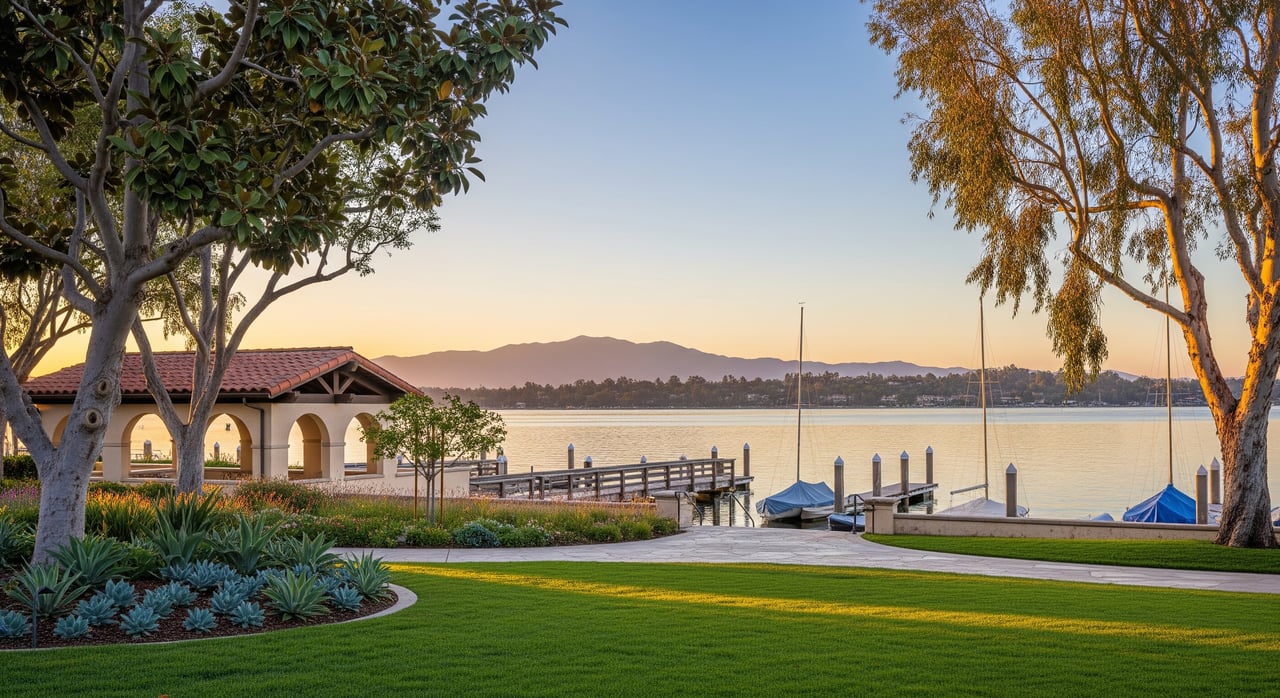
What does a typical day feel like in Mission Viejo? Picture an early walk along a creekside trail, a sunny afternoon at the lake, and an easy run for groceries before an evening community concert. If you want an active, outdoors‑oriented lifestyle with everyday conveniences close to home, this city fits well. In this guide, you’ll learn how the lake works, which parks and trails locals use most, and what the daily rhythm looks like. Let’s dive in.
Why Mission Viejo works
Mission Viejo is a master‑planned city in South Orange County with neighborhoods designed around parks, trails, and a central lake. The community identity focuses on outdoor recreation, seasonal events, and neighborhood amenities. You’ll find mostly single‑family homes alongside condominiums, townhomes, and apartments built from the 1960s through the 1990s. The result is a suburban pace with practical services nearby.
The city sits within the Anaheim–Santa Ana–Irvine metropolitan area. You have regional access via the I‑5, with toll options like the 241 and SR‑73 depending on your route. Commutes to major Orange County job centers such as Irvine or Costa Mesa are typically moderate. Trips toward Los Angeles are longer and vary by traffic.
Lake Mission Viejo essentials
Lake Mission Viejo is the city’s signature amenity. It is a man‑made, privately managed lake that functions like a large community facility rather than a public park. The lake anchors year‑round activities and often serves as the backdrop for seasonal events.
What you can do at the lake
Typical offerings include sandy swim areas, boating for non‑gasoline craft like kayaks, paddleboards, and sailboats, and small marinas or launch points. You’ll also find picnic spots, barbecue areas, and clubhouses used for classes or community programming. Many residents make a habit of morning paddles, afternoon swim time, or meeting friends for an evening concert during peak season.
Who can use the lake
Access is generally for property owners who belong to the lake association and their registered guests. Membership rules, guest policies, and use guidelines are set by the managing association. If you’re buying, confirm whether the home includes membership, how many guest passes are allowed, and any restrictions on boat storage or private docks.
Fees and governance basics
Lake upkeep and programs are funded through association dues, assessments, and user fees. Before you write an offer, review the current schedule for dues and any recent assessments. Ask for association documents, insurance details, and rules around classes, events, and seasonal crowd management so you know what to expect.
Parks and trails to know
Mission Viejo places a strong focus on open space and local parks. You’ll find neighborhood pocket parks for quick playtime, larger community parks with ball fields, and greenbelt trails that link many areas of town. Outdoor time is part of daily life here, and summer programming is especially active.
Neighborhood parks
Smaller parks typically include playgrounds, picnic tables, and casual sports courts. They are designed for quick visits and easy walk‑to access from nearby streets. If you prefer being close to a playground or a shady picnic spot, you’ll have options.
Oso Creek trail network
Creek corridors and greenbelts provide linear open space used for walking, jogging, and cycling. Oso Creek is a recognizable example, offering stretches of trail that connect neighborhoods and community spaces. It’s a go‑to for daily exercise, morning dog walks, and weekend jogs.
Recreation centers and programs
The city’s recreation centers, aquatics facilities, and senior centers host classes and drop‑in activities for all ages. Expect youth sports leagues, adult sports, fitness classes, swim lessons and teams, camps, senior programs, and special events. Some fields or courts are shared with schools during non‑school hours, which increases access for residents.
Local culture and daily conveniences
Everyday errands are straightforward, with a central shopping area and a regional shopping center in town for groceries, pharmacies, banking, and dining. Many residents stay local during the week and venture to nearby cities on weekends for specialty dining or entertainment. Larger retail and employment hubs in Irvine and Costa Mesa are a short drive away.
Dining and small‑business scene
You’ll see a blend of neighborhood restaurants, cafes, and familiar casual chains. The vibe skews toward friendly and practical. For a wider range of nightlife or specialty dining, you’ll likely drive to nearby Orange County cities.
Community events and volunteerism
Seasonal concerts, holiday celebrations, community fairs, and recreational tournaments bring neighbors together. Fourth of July programming and summer lake events are popular. Service clubs, youth sports coaching, and park cleanups offer easy ways to get involved if you value community connection.
A day in Mission Viejo
Start with a sunrise walk along a greenbelt trail and a quick stretch at a neighborhood park. After work or school, head to the lake for paddle time, a swim session, or a casual picnic on the sand. Run errands at the town shopping center and be home in minutes. Wrap up with an outdoor concert or a low‑key family dinner nearby. This rhythm is why many buyers choose Mission Viejo.
Getting around and commutes
Most residents rely on cars for daily errands, with some public transit links to adjacent cities. Walkability varies by neighborhood, and areas near parks or retail cores can feel more convenient for daily foot trips. The I‑5 is the primary route, while the 241 and SR‑73 offer toll options that can help in certain directions. If your job is in Irvine or Costa Mesa, expect a manageable drive. If you commute to Los Angeles, plan for variable travel times based on peak traffic.
Schools and education options
Public schools in Mission Viejo are part of an established district, with private and parochial options also available. School boundaries and program offerings change, so check the latest district maps and performance updates. If school proximity matters to you, include campus locations in your neighborhood shortlist and verify after‑school programs and shared‑use field access.
Practical checklist for visitors and buyers
- Confirm lake membership: Determine if a specific property includes lake association membership and review current dues, guest rules, and any assessment history.
- Clarify public vs. private amenities: Identify which parks and facilities are city‑run and which are association‑managed, plus any reservation or fee requirements.
- Map your daily routine: Test drive to your likely grocery store, favorite fitness class, and preferred park or trail during typical hours.
- Review trail access: Check proximity to greenbelts or creekside paths if daily walks and bike rides matter to you.
- Verify school details: Confirm current boundaries, bell schedules, and program availability that align with your needs.
- Stress‑test your commute: Drive your route during peak times to estimate travel windows to Irvine, Costa Mesa, or beyond.
- Plan for seasons: Summer is busy at parks and the lake. Note shading, hydration, and any peak‑season reservation policies.
Quality‑of‑life tradeoffs
Mission Viejo offers strong recreational amenities, a suburban feel, and practical services that support a balanced routine. The tradeoffs include car dependence for many errands and membership rules that limit access to certain lake facilities. Housing costs reflect South Orange County demand, so align your search with a clear budget and time horizon.
Is Mission Viejo a fit for you?
If you want daily access to parks, trails, and a community lake, you will likely feel at home here. The city’s master‑planned design makes it easy to build a routine that mixes exercise, family time, and convenient errands. The key is to match your lifestyle with the right neighborhood and confirm the details around lake access, school boundaries, and commute routes.
When you are ready to explore neighborhoods or review lake association and HOA documents, connect with a local advisor who knows how the pieces fit together. For a data‑driven, neighborhood‑level search and clear guidance on next steps, reach out to Alex Gagnon Homes.
FAQs
Is Lake Mission Viejo public or private?
- The lake is privately managed for association members and their registered guests; confirm whether a home includes membership, dues, and guest policies before you buy.
What amenities can I expect at the lake?
- Typical offerings include sandy swim areas, non‑gasoline boating, fishing, picnic spaces, and seasonal events; check current rules and programming with the managing association.
Which parks and trails are open to the public?
- City parks, fields, and multi‑use trails are public, while some high‑amenity facilities near the lake are membership‑restricted; verify which sites are city‑run vs. association‑run.
How close are daily services to most neighborhoods?
- A central shopping area and a regional shopping center serve groceries, pharmacies, dining, and services, with larger options in nearby Orange County hubs a short drive away.
What should I know about schools and boundaries?
- Public schools serve the city with additional private and parochial options; always check the latest district maps, programs, and after‑school availability for your address.
What are typical HOA or association costs for lake access?
- Lake operations are funded by dues, assessments, and user fees; request current fee schedules, assessment history, and rules on boat storage or docks during your review period.
What are commute considerations to Irvine, Costa Mesa, or Los Angeles?
- The I‑5 is the main corridor with toll options like the 241 and SR‑73; drives to Irvine or Costa Mesa are usually moderate, while Los Angeles commutes vary based on traffic.
Are there any environmental or noise considerations near major roads or the lake?
- Proximity to major roads can affect noise, and lake‑area rules may shape use patterns; review local plans, noise levels at different times, and association guidelines before deciding.