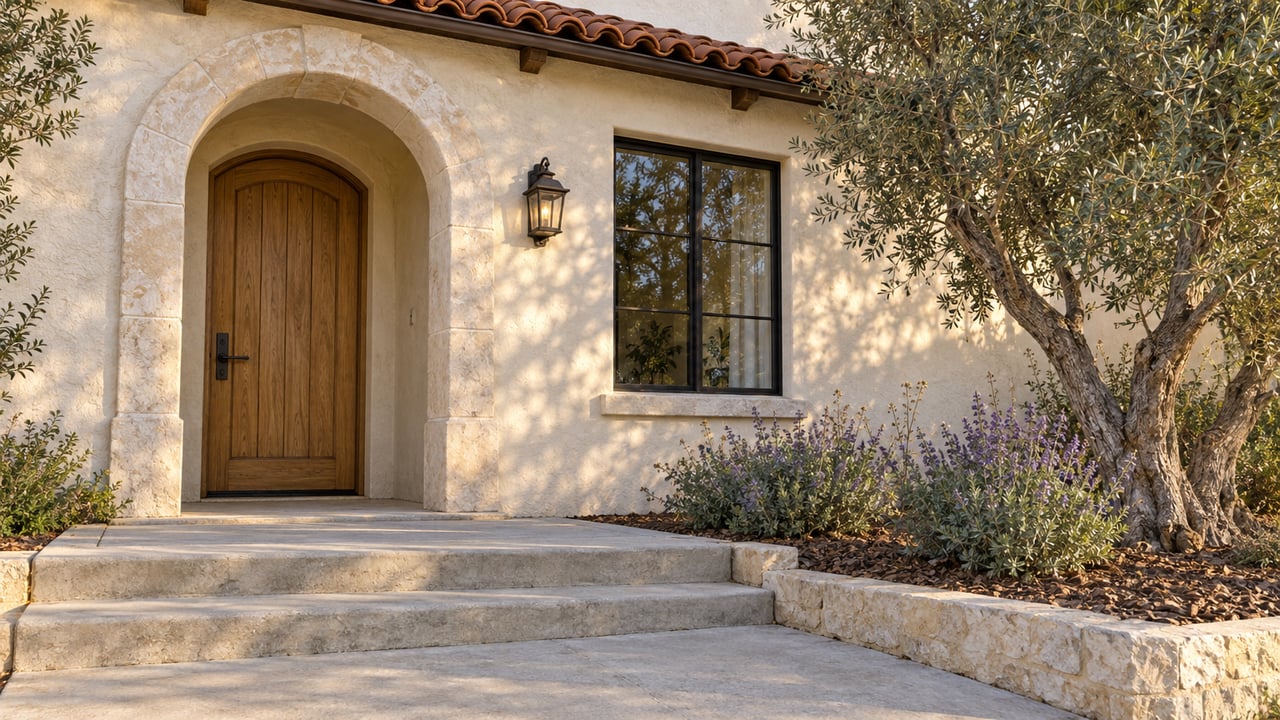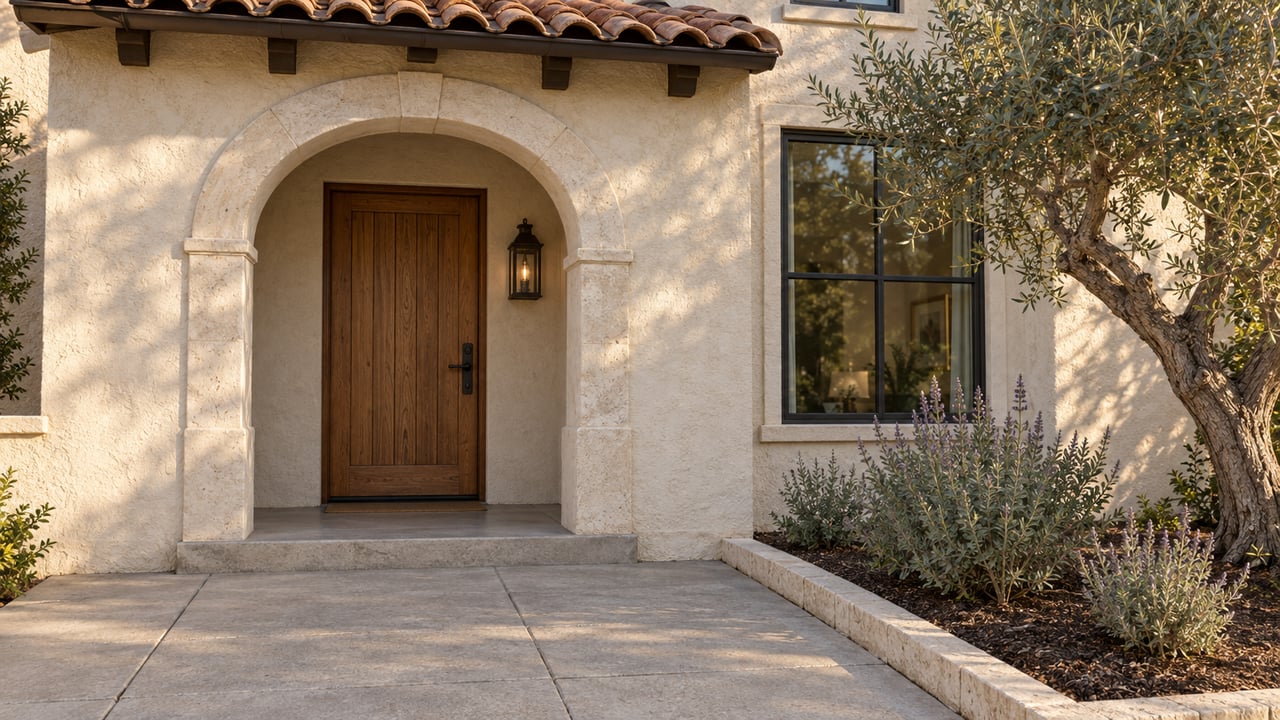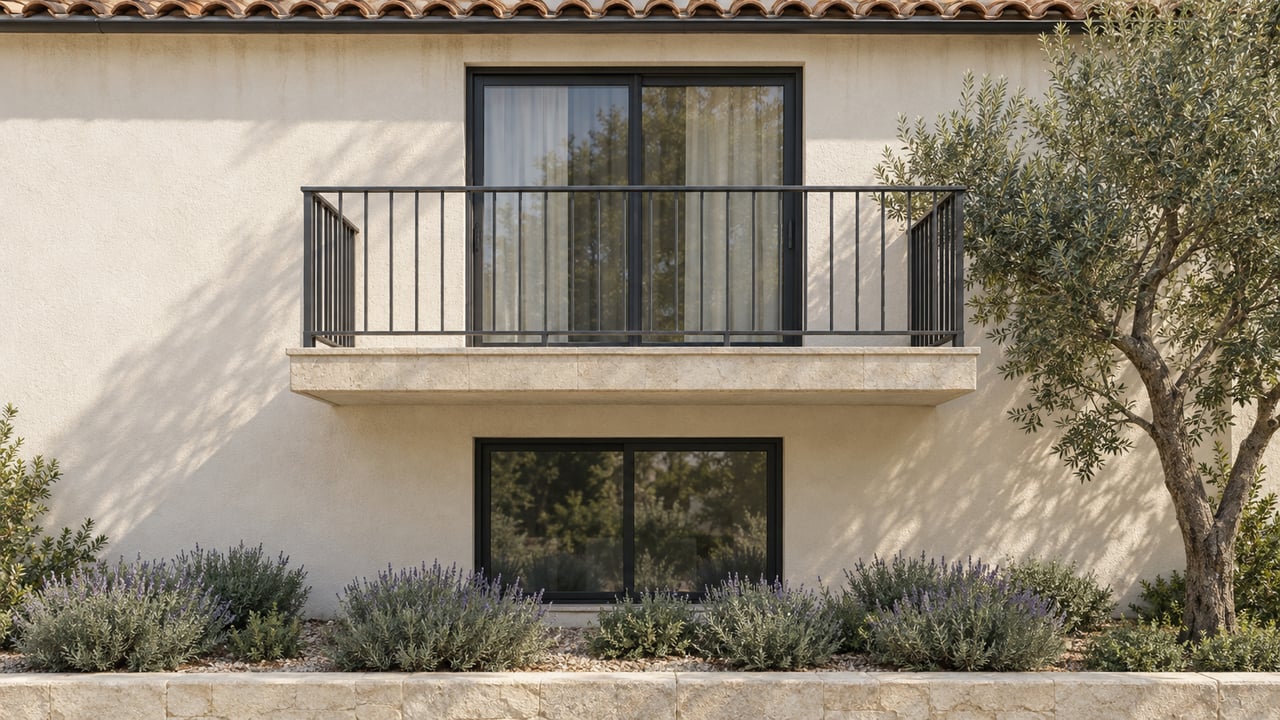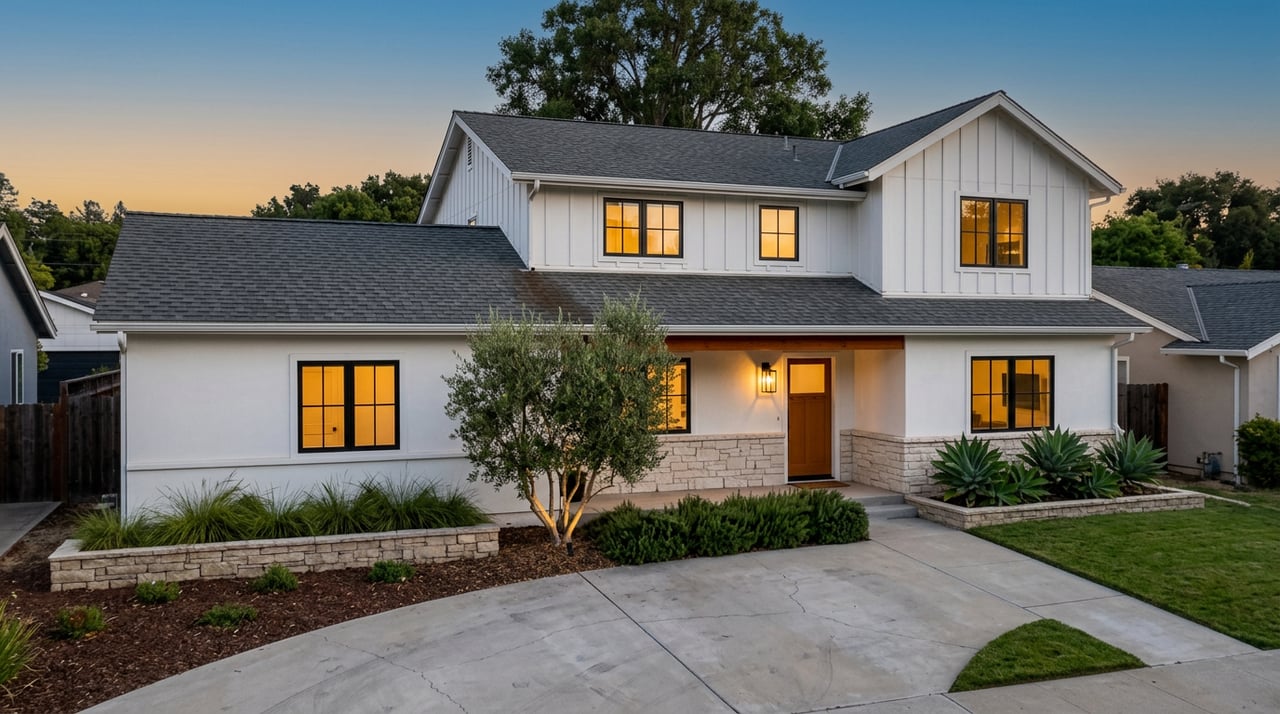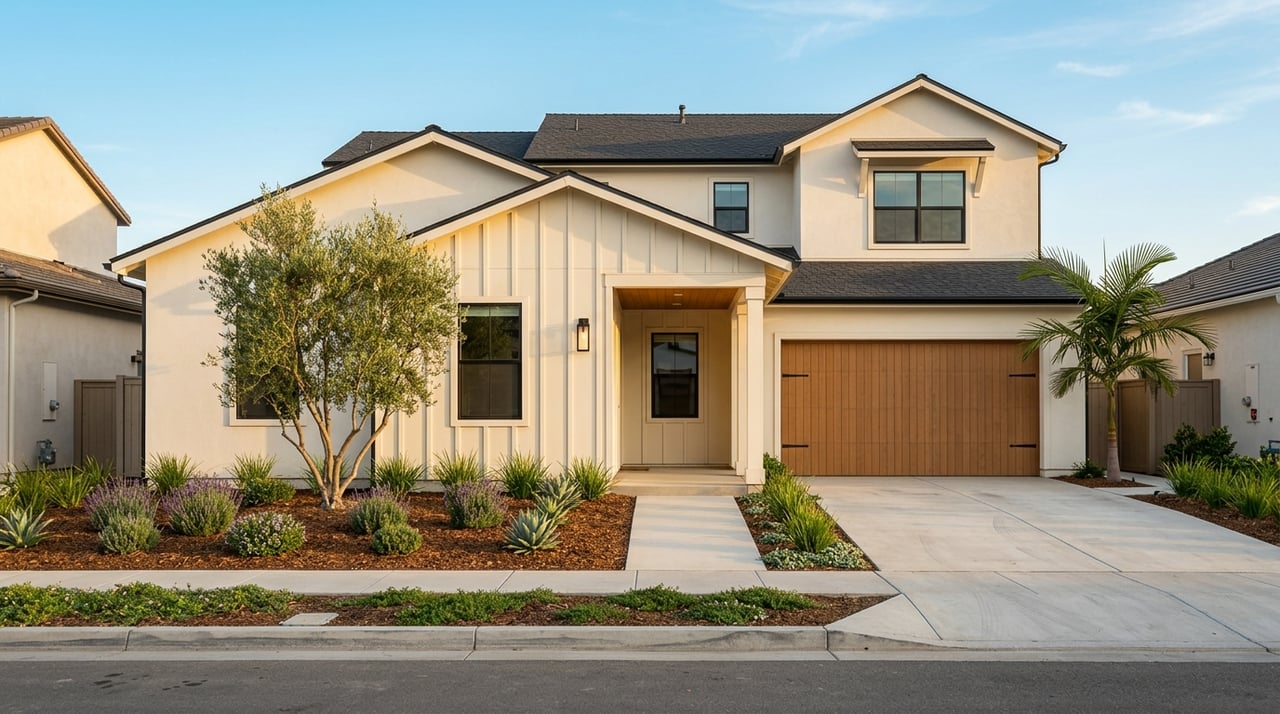
If you only look at listing photos, Laguna Hills can seem like one style of suburban Orange County living. In reality, this small city packs in a few very different housing experiences, from large-lot equestrian estates to classic detached tract homes and more compact condo communities. If you are trying to figure out where a home might fit your lifestyle, this guide will help you read Laguna Hills neighborhood character more clearly. Let’s dive in.
Why Laguna Hills Feels So Varied
Laguna Hills is a compact city of about 6.55 square miles, but its housing mix is more layered than many buyers expect. According to the 2020-2024 ACS, about 70.0% of homes are owner-occupied, which points to a market with a strong ownership base rather than one dominated by short-term turnover.
The city also developed in phases that still shape how neighborhoods feel today. City history materials note that Laguna Hills grew out of the Moulton Ranch, with most of its suburban buildout happening before incorporation in 1991. That helps explain why so much of the city reads as established, residential, and distinctly neighborhood-driven.
Laguna Hills Home Styles at a Glance
A simple way to understand the city is to group it into three broad housing patterns:
- Estate and equestrian homes, most closely associated with Nellie Gail Ranch
- Detached tract homes in established suburban neighborhoods tied to the city’s earlier buildout
- Condos, townhomes, and attached housing in planned community pockets
That matters because the same city can offer very different daily living experiences depending on lot size, HOA structure, shared amenities, and topography. In Laguna Hills, the neighborhood label often tells you just as much as the home itself.
Nellie Gail Ranch: Estate and Equestrian Character
What makes Nellie Gail Ranch distinct
Nellie Gail Ranch is the city’s largest residential development, and it has a very different feel from a standard subdivision. The city says it covers 1,350 acres and contains 1,407 lots, with a mix of tract and custom homes in an equestrian setting.
Home sizes in Nellie Gail Ranch range from about 1,700 to 17,000 square feet. The neighborhood also includes parks, community areas, open space, and about 20 miles of equestrian trails, which adds to its lifestyle-focused identity.
How lot size shapes the neighborhood feel
One reason Nellie Gail feels so different is space. A rough planning-level calculation using total acreage and lot count suggests an average of about 0.96 acres per lot, or roughly 41,800 square feet, though that includes roads, trails, and open space as well as private parcels.
For you as a buyer, the takeaway is simple. Homes here generally sit in a more open, estate-style environment than what you will find in most other parts of Laguna Hills.
Why the look stays consistent over time
Neighborhood character in Nellie Gail Ranch is not just about architecture. The homeowners association emphasizes preserving a rural and natural open-space atmosphere, and it oversees architectural review for exterior improvements.
That review process plays a big role in keeping the area visually consistent over time. If you are considering a home here, it is smart to think about both the benefits of design consistency and the practical impact of HOA review on future exterior projects.
The lifestyle side of Nellie Gail Ranch
This neighborhood is also shaped by its trail network. The city notes that the Nellie Gail Ranch HOA maintains an equestrian trail system for residents, while the broader city and county trail network supports pedestrian, bicycle, and equestrian use around the area.
That gives the neighborhood a lifestyle component beyond lot size alone. For some buyers, that is a major draw. For others, it means asking more detailed questions about amenities, maintenance, and monthly or quarterly costs.
HOA costs and expectations
For 2024-25, the Nellie Gail Ranch Owners Association set regular assessments at $572 per quarter, or $2,268 annually, with a small discount for on-time payment. The association also states that homeowners who board horses or participate in tennis or pickleball are billed separately each month.
In practical terms, you should view Nellie Gail Ranch as a neighborhood with a more involved association structure than a basic HOA. That does not make it better or worse, but it does make due diligence especially important.
Detached Neighborhoods: Classic Suburban Laguna Hills
The city’s core housing pattern
Outside Nellie Gail Ranch, Laguna Hills is still largely a detached-home city. City planning documents describe the southern portion as containing residential neighborhoods of single-family detached homes in low and medium-low density residential designations.
The Housing Element describes Laguna Hills as a suburban, predominantly single-family residential city. For many buyers, this is the housing pattern they picture first when they think about Laguna Hills.
What these neighborhoods usually feel like
Many of these areas reflect older Orange County tract development rather than new construction. That usually means more established streetscapes, mature neighborhood layouts, and housing patterns tied to the original Moulton Ranch-era buildout.
It also means that one detached neighborhood may feel different from the next based on slope, views, HOA structure, and tract identity. In Laguna Hills, detached does not always mean identical.
Why tract names and HOA names matter
The city’s planning language makes this especially important. A Planned Community designation can include everything from large-lot estates to attached dwellings, so a listing description alone may not tell the full story.
That is why it helps to read tract names, HOA references, and density clues together. If a home is in a named community with a specific association, that often gives you a better sense of neighborhood expectations than broad marketing language.
A local example: Moulton Ranch III
Moulton Ranch III is a useful example of tract-level governance in Laguna Hills. Its homeowners association has its own board meetings, management company, and resident portal, and park rules state that the park is for Moulton Ranch III and Bella Vista homeowners associations only.
For you, that is a reminder that HOA boundaries can be very neighborhood-specific. Even adjacent areas may share amenities, split responsibilities, or operate under separate association structures.
Hillside setting and view orientation
Laguna Hills neighborhood character is also shaped by topography. The city’s conservation and open-space materials note that Moulton Ranch Park offers 180-degree views across I-5 toward Mission Viejo and beyond.
That slope-and-view setting is part of what many buyers associate with south Laguna Hills. In some neighborhoods, the lot’s position and orientation may influence the feel of the home as much as the floor plan itself.
Condos and Attached Communities in Laguna Hills
Where attached housing fits in
Laguna Hills does include attached housing, but it is concentrated in specific planned areas rather than spread evenly throughout the city. City land use and housing documents say Planned Community Residential districts can include apartments, attached townhomes, condominiums, and clustered multifamily layouts.
That is important if you are comparing a condo or townhome in Laguna Hills with a detached home nearby. The location may be the same city, but the lifestyle and property setup can be very different.
The Via Lomas area as an example
The Via Lomas area shows this clearly. The city describes it as a 39-acre area developed with 350 apartments and condominiums, including one-story cluster condos and two-story apartments.
The same city materials note that Rancho Moulton and Rancho Niguel were built in the early 1980s with Section 8 construction funds, and that Aliso Meadows has 248 condo units. For a buyer, that means condo, townhome, attached, or planned community language often signals a more compact layout with more shared walls and stronger common-area orientation.
How to Read Laguna Hills Listings More Accurately
Translate the keywords
In Laguna Hills, listing language can give you a quick first clue about neighborhood character:
- Estate or equestrian often points toward Nellie Gail Ranch and its large-lot, trail-oriented setting
- Detached or single-family often points toward established suburban tract neighborhoods
- Condo, townhome, or attached often points toward planned-community or clustered multifamily areas
These are not perfect shortcuts, but they are useful starting points. The real key is to connect the listing language to the tract, the HOA, and the setting.
Look beyond the home itself
In Laguna Hills, neighborhood feel is often shaped by parcel size, HOA rules, and topography more than by a traditional walkable grid. City materials consistently highlight rolling hills, trails, and connected open space as part of the local setting.
That means two homes with similar square footage may live very differently depending on where they sit. One may offer a large-lot, open-space feel, while another may center more on common areas and shared amenities.
Remember there are outliers too
While Laguna Hills is mostly known for detached housing and planned communities, the housing stock is not all one thing. The city’s Housing Element references Laguna Hills Estates, an all-age mobilehome community, which shows that there are smaller outliers in the mix as well.
That is another reason broad assumptions can be misleading. The best way to understand Laguna Hills is neighborhood by neighborhood, not just citywide.
What This Means for Buyers and Sellers
If you are buying in Laguna Hills, your best move is to match the neighborhood structure to your daily priorities. A large-lot HOA community, an established detached tract, and a condo development can all serve different goals even within the same city limits.
If you are selling, neighborhood context matters just as much as square footage and finishes. Buyers respond differently to equestrian amenities, hillside views, HOA-managed design standards, and attached versus detached living, so pricing and marketing should reflect the specific character of your area.
At Alex Gagnon Homes, the goal is to help you see past the listing shorthand and make a more informed decision. If you want a neighborhood-level strategy for buying or selling in Laguna Hills, connect with Alex Gagnon Homes.
FAQs
What home styles are most common in Laguna Hills?
- Laguna Hills is primarily a suburban, predominantly single-family residential city, with a mix of estate homes, detached tract homes, and smaller pockets of condos, townhomes, and other attached housing.
What makes Nellie Gail Ranch different from other Laguna Hills neighborhoods?
- Nellie Gail Ranch stands out for its large-lot homes, equestrian setting, trail network, open space, and HOA architectural review, which all help create a more estate-style neighborhood character.
Are there condos and townhomes in Laguna Hills?
- Yes. Laguna Hills has attached housing in specific planned community areas, including condo and apartment clusters such as the Via Lomas area.
How do HOAs affect neighborhood character in Laguna Hills?
- HOAs can play a major role by managing amenities, setting use rules, and in some neighborhoods reviewing exterior improvements, which helps shape the look and feel of the community over time.
What should buyers look for in a Laguna Hills listing?
- Buyers should look beyond the headline description and review the tract name, HOA structure, housing type, and lot setting to better understand how the property will actually live day to day.