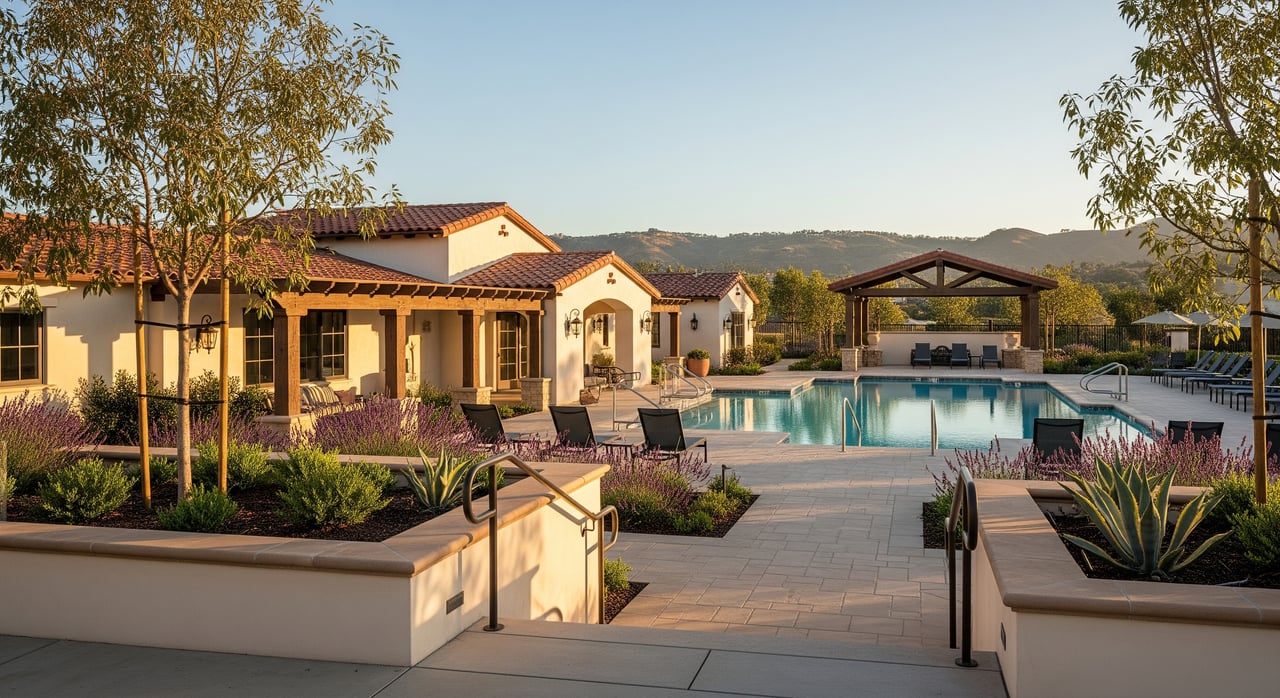
That sparkling pool and fresh paint may look great, but what happens when the roof needs replacing or the asphalt fails? If you are eyeing a condo or townhome in Laguna Hills, the answer often lives inside the HOA reserve study. Buying here means understanding how your association plans for big-ticket repairs so you are not blindsided by special assessments.
In this guide, you will learn what a reserve study is, why the percent-funded number matters, how to read the disclosure packet, and which local Orange County factors can affect costs. You will also get a simple checklist, the key questions to ask, and practical next steps. Let’s dive in.
What a reserve study covers
A reserve study is a planning report your HOA uses to budget for future replacements of common elements. It has two parts: a physical analysis that lists components like roofs, paint, paving, decks, and gates with useful life and costs, and a financial analysis that shows the current reserves and the recommended annual contribution to avoid surprise assessments.
In Laguna Hills communities, you will often see line items for exterior paint or stucco, roofing systems, balconies or decks, asphalt, fencing or masonry, pool equipment, irrigation, and metal gates. Older buildings may include windows, common-area flooring, and interior finishes. Look for items exposed to sun and moisture, because the local climate can accelerate wear.
Best practice is to have an independent reserve specialist perform a site inspection and document assumptions. Most associations update the study every 1 to 3 years, with a full refresh every 3 to 5 years. Always confirm the date of the site inspection and the financial data used.
Why percent funded matters
Percent funded tells you how prepared the HOA is for future capital projects. It is calculated as current reserve balance divided by the fully funded balance, multiplied by 100. The fully funded balance is the amount the study says should be on hand today based on the aging of each component.
- Above 70 percent is generally considered healthy and can reduce the likelihood of special assessments.
- Between 30 and 70 percent is moderate and may require higher contributions or temporary assessments as projects approach.
- Below 30 percent is underfunded and often signals higher special-assessment risk or deferred maintenance.
These ranges are guidelines, not rules. The right target depends on the community’s age, component mix, upcoming projects, delinquency rate, and local costs.
Funding methods to know
Reserve studies typically use one of two funding approaches. A straight-line or component method aims to accrue the full replacement cost for each component by the time it is due. A cash-flow method projects the reserve balance over time to avoid going negative, which can smooth dues but may show lower percent-funded numbers early on. The study should state which method it used and the assumptions for inflation and interest.
Simple example
If the fully funded balance for the year is 300,000 dollars and the HOA’s current reserve balance is 60,000 dollars, the percent funded is 20 percent. That is considered underfunded. Without higher annual contributions or a special assessment, near-term projects could be short on cash or delayed.
How to read the packet
When you receive disclosures, ask for the complete reserve study and the supporting financials. Focus on these items:
- Executive summary with percent funded, funding status, and recommendations.
- Component inventory and replacement schedule with useful life, remaining life, and costs.
- Funding plan and assumptions, including method used and inflation and interest rates.
- Any sensitivity analysis that shows how changes in contributions affect the balance.
- Qualifications and scope, including whether a site inspection occurred and what was excluded.
- Notes on deferred maintenance or items already past useful life.
Also request current financial statements, the operating budget with reserve contributions, recent board minutes, the list of upcoming 1 to 5 year projects, the history of special assessments, a delinquency report, insurance declarations, and any engineering reports or major bids.
Quick checks to validate assumptions
- Confirm the reserve balance date and tie it to bank statements.
- Check the inflation rate used. If it looks very low for a high-cost area, costs could be understated.
- Look for local cost data. Orange County labor and material rates are often above national averages.
- Watch for bundled components that can hide near-term timing.
- Review useful-life assumptions for exterior elements given local sun and humidity exposure.
Local factors in Orange County
Construction, labor, and permitting costs in Southern California are typically higher than national averages. City permitting steps in Orange County can add time and expense to projects, which affects funding needs.
The local Mediterranean climate with sun and occasional marine influence can accelerate wear on exterior paint, sealants, wood, and metal. Pool equipment and metal gates can show faster corrosion in certain exposures.
Many communities built in the 1970s to 1990s are now hitting life-cycle windows for roofs, paint, stucco, and paving. When multiple components align in timing, the total cost can be large.
Smaller associations have fewer owners to spread costs across, which raises special-assessment risk if reserves are thin. In master-planned communities with sub-associations, verify which entity owns and maintains each element.
Red flags to watch
- Missing or outdated reserve study, or a study without a site inspection.
- Very low percent funded below 30 percent with no plan to improve.
- No clear funding plan or one that postpones contributions.
- Repeated special assessments or sharp dues increases year over year.
- High dues delinquency, which strains cash flow.
- Board minutes that show deferred maintenance or bids coming in much higher than expected.
- Unrealistic assumptions, like very low inflation or missing permit and contingency costs.
Smart questions to ask
- When was the last reserve study and site inspection?
- Who prepared it and what method did they use?
- What is the current reserve balance and percent funded, and how was the fully funded balance calculated?
- How do current reserve contributions compare to the recommended amount?
- What projects are planned in the next 1 to 5 years and are there bids?
- Has the HOA levied special assessments in the last 5 to 10 years? For what and how much?
- What is the current delinquency rate on dues?
- Are there any lawsuits or insurance claims that could affect reserves?
- Do cost estimates include permits and contingency, and were local contractor rates used?
- What is the board’s plan if the reserve balance falls short?
Buyer playbook and next steps
Before you write an offer or during contingencies, gather the entire disclosure packet and read the full reserve study. Focus on the percent-funded number, near-term projects, and whether the current contributions align with recommendations. Pull recent minutes and any contractor bids to verify timing and costs.
If percent funded is low or large projects are imminent, ask for written confirmation of the funding plan, like a board resolution or assessment schedule. You can also discuss a larger contingency or request that the seller cover any known special assessments disclosed before closing.
Talk through your findings with your agent. For complex cases, consider consulting a California attorney with HOA experience or an independent reserve professional. After closing, keep tracking monthly or quarterly financials and minutes so you can anticipate assessments and participate in planning.
Wrap-up
Understanding HOA reserves helps you compare properties on true cost, not just list price. In Laguna Hills, the right questions and a disciplined read of the reserve study can reveal whether an association is prepared for roofs, paint, paving, and other big projects. That clarity protects your budget and your peace of mind.
If you want a second set of eyes on a reserve study or need help navigating disclosures, reach out to Alex Gagnon Homes for local guidance rooted in data and experience.
FAQs
What is an HOA reserve study in California?
- It is a planning report that inventories major common elements, estimates useful life and replacement costs, and sets a recommended funding plan so the HOA can pay for repairs without surprise assessments.
What does percent funded mean for a Laguna Hills HOA?
- It is the current reserve cash divided by the fully funded balance at that point in time; higher percentages generally indicate lower special-assessment risk, with context from age, costs, and upcoming projects.
What percent funded is considered healthy?
- As a guideline, above 70 percent is generally healthy, 30 to 70 percent is moderate, and below 30 percent is underfunded, but actual targets depend on the community and local cost factors.
How often should a reserve study be updated?
- Many associations refresh key data every 1 to 3 years, with a full update every 3 to 5 years; always check both the site inspection date and the financial data date.
Which documents should I request during disclosures?
- Ask for the full reserve study, current financials and reserve balance, operating budget with reserve contributions, recent minutes, planned projects and bids, special-assessment history, delinquency report, insurance declarations, and any engineering reports.
What if the HOA is only 20 percent funded?
- That is underfunded and raises the likelihood of higher contributions or special assessments; ask for the board’s plan, near-term project timing, and whether bids and funding steps are already in place.
Can I avoid paying a special assessment at closing?
- It depends on the contract and what is disclosed; you can negotiate for the seller to cover known assessments identified before closing or adjust terms to reflect the risk.